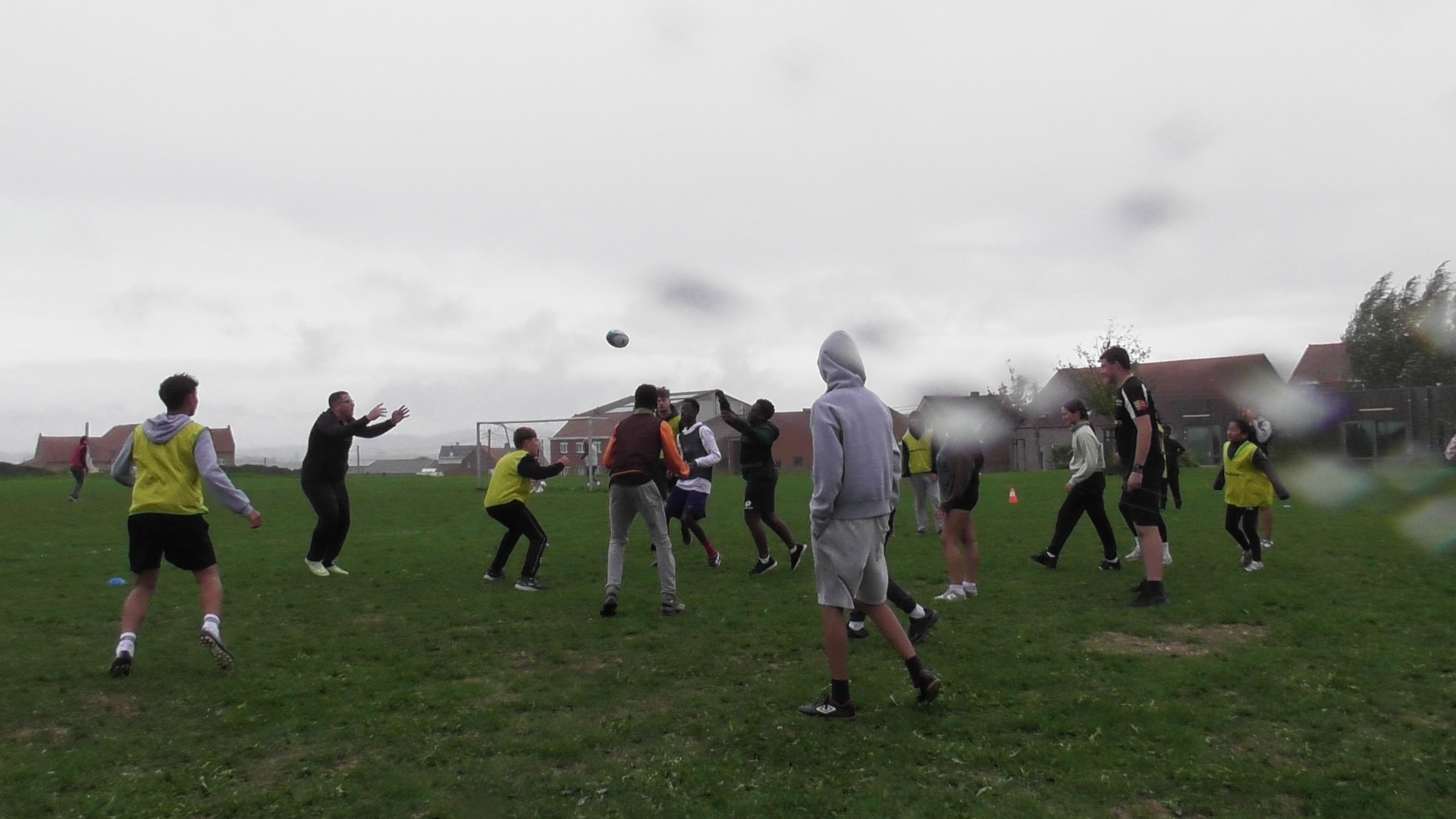
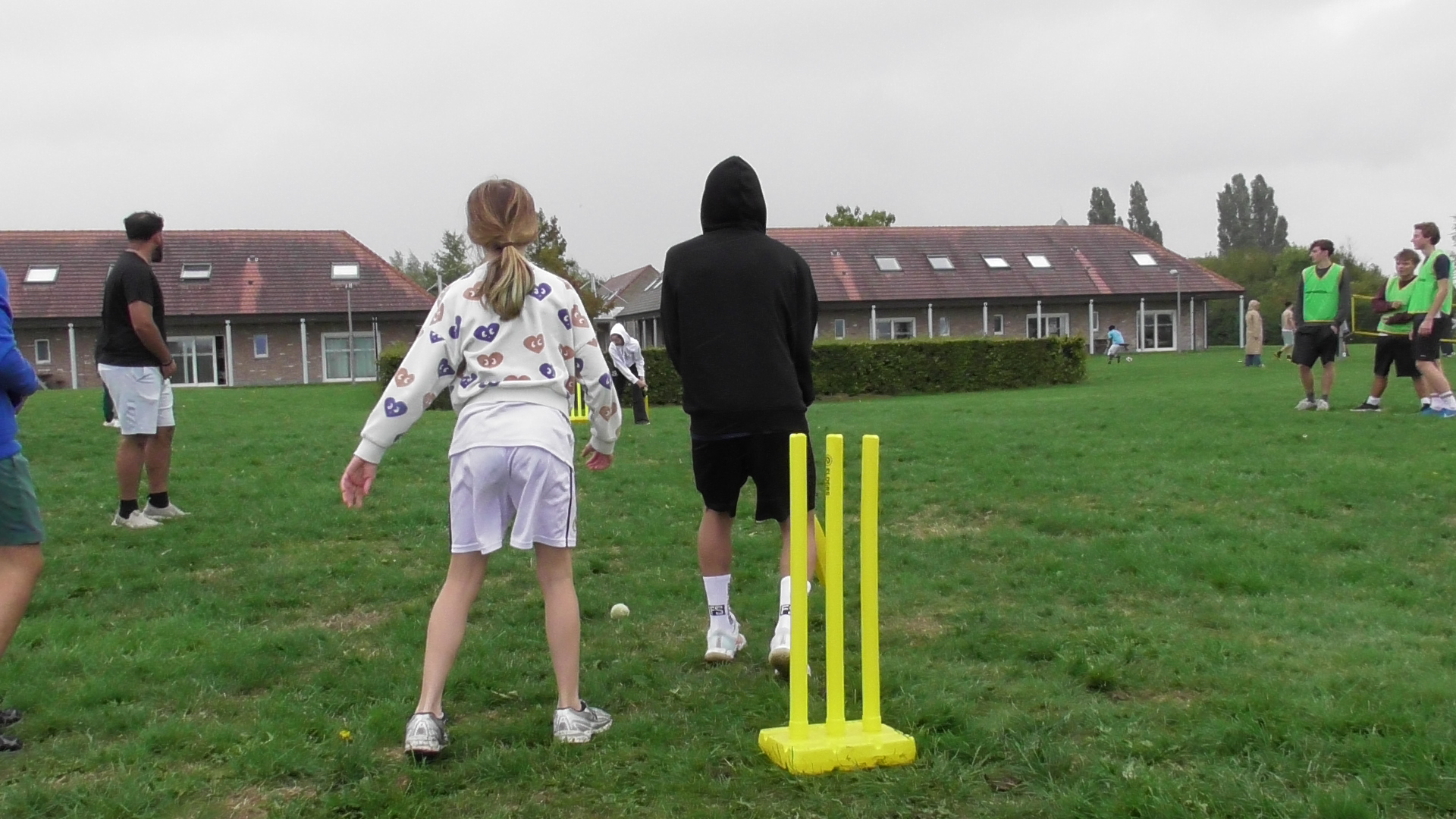
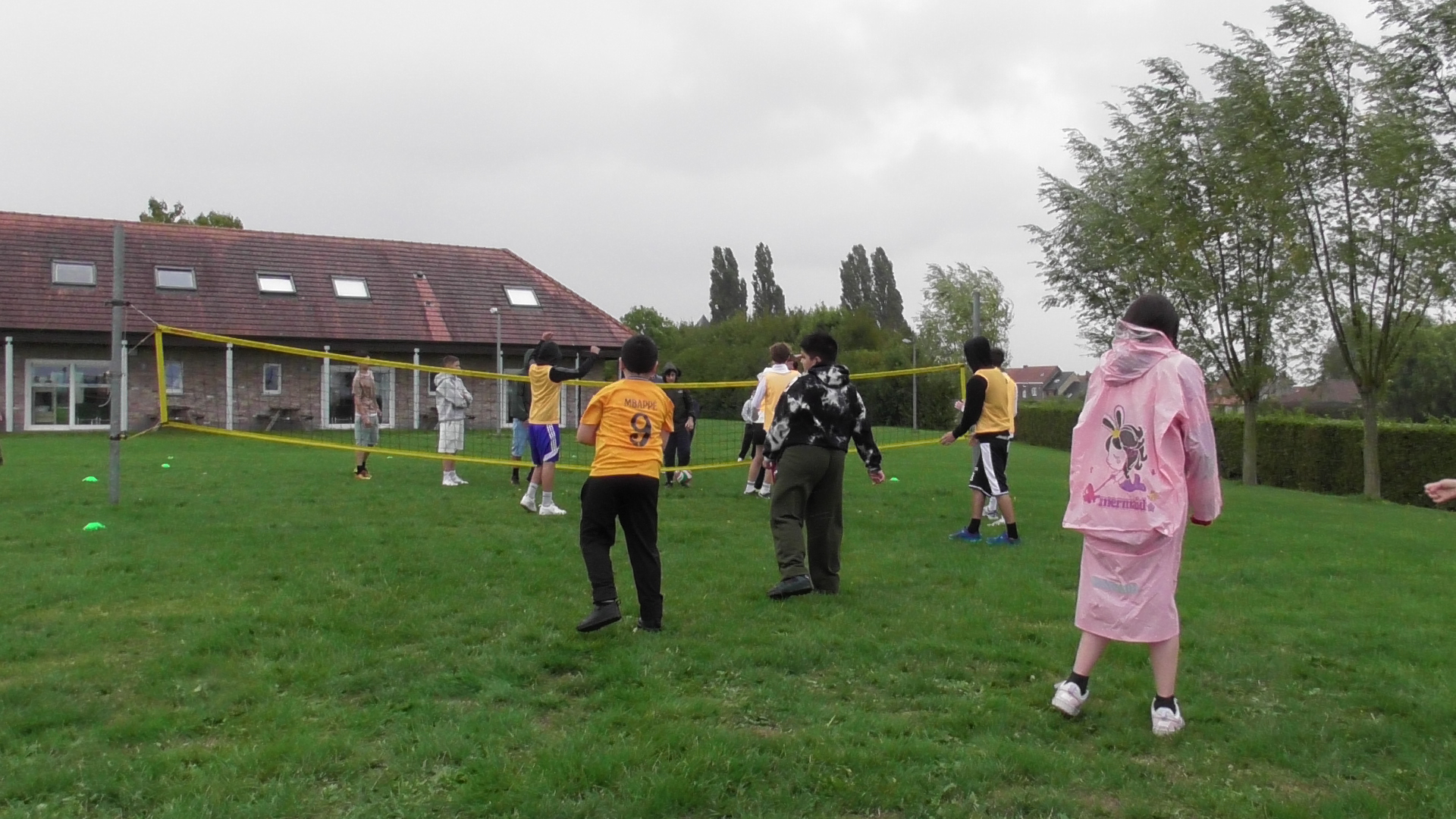
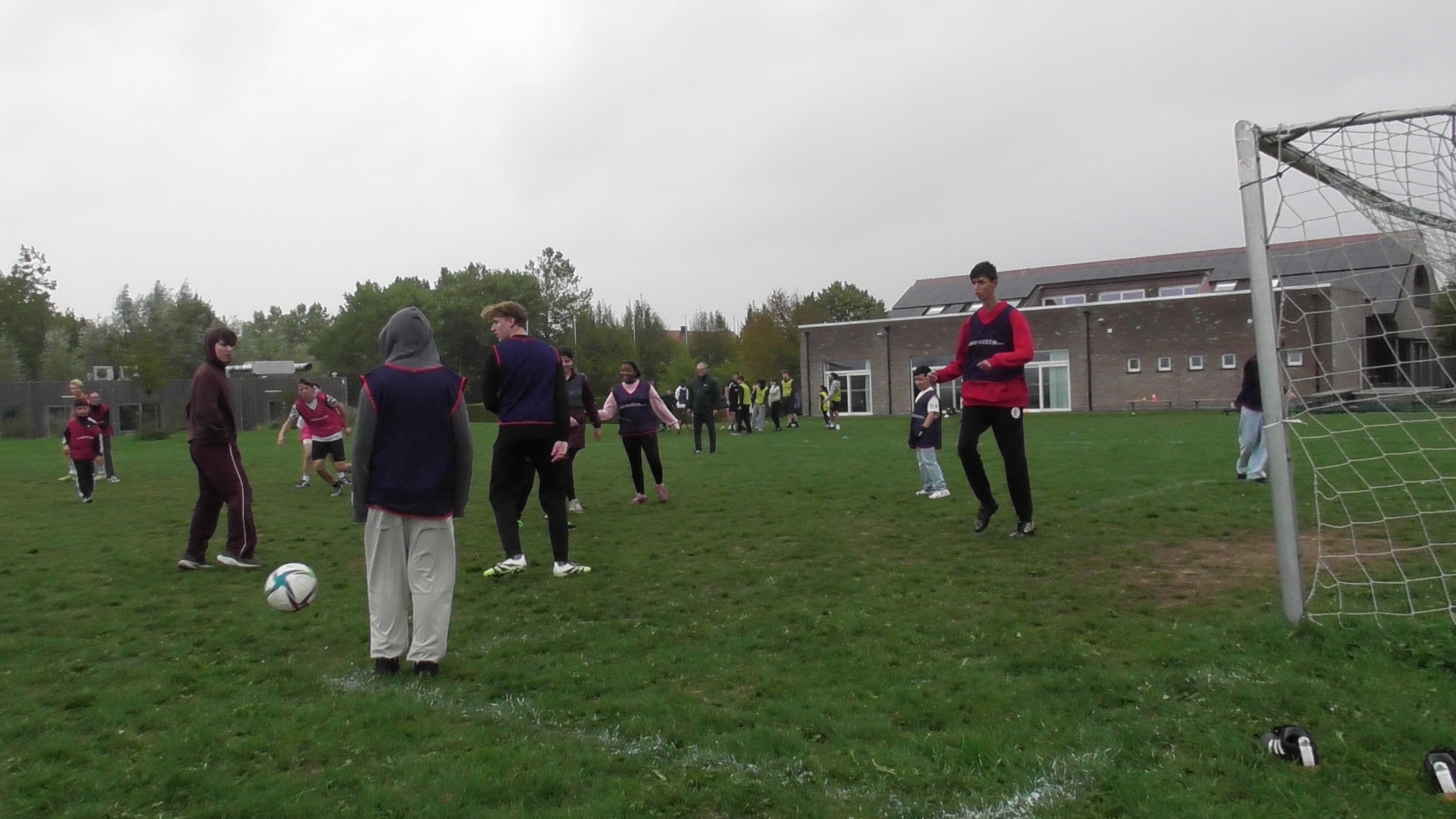
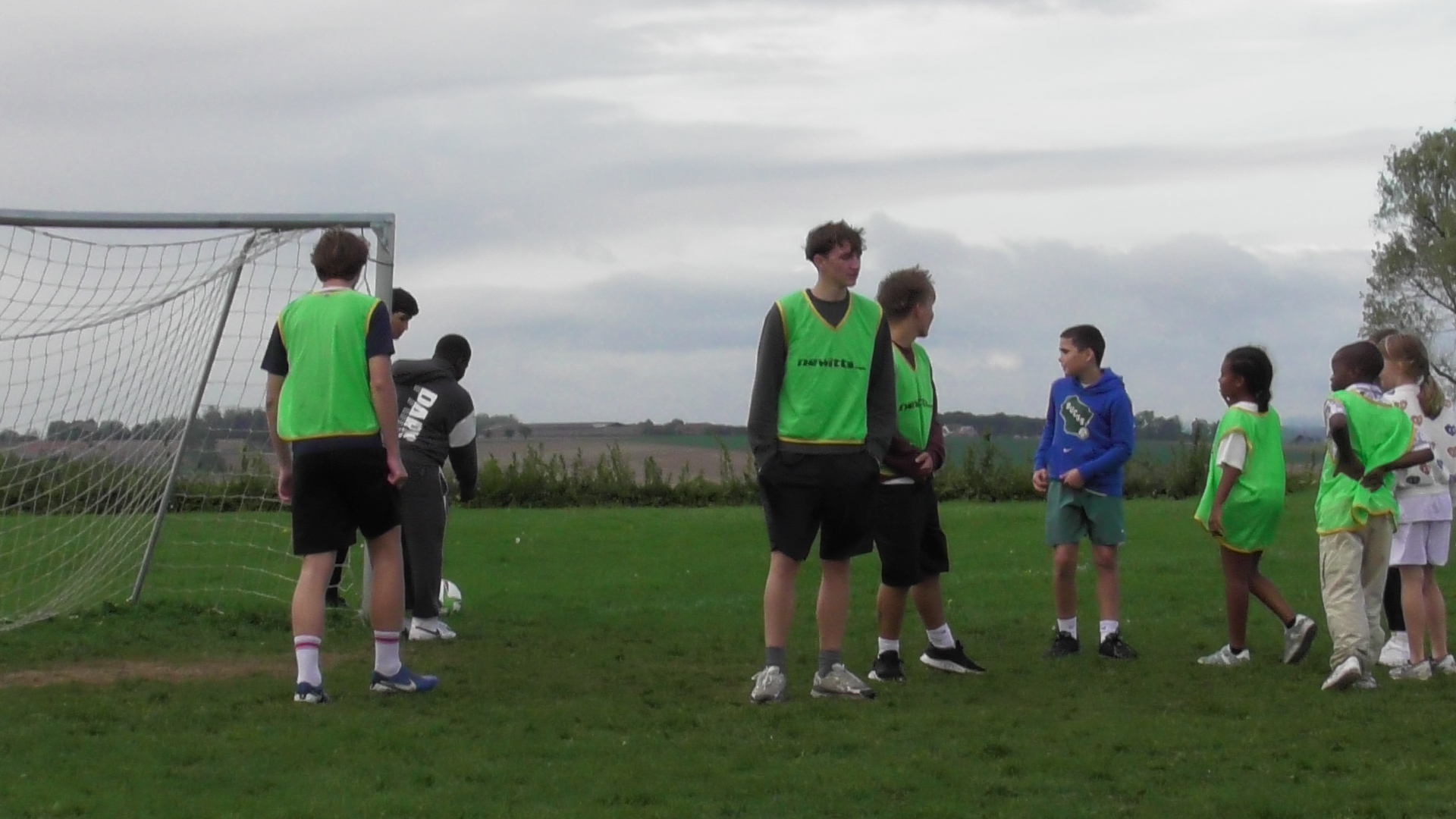
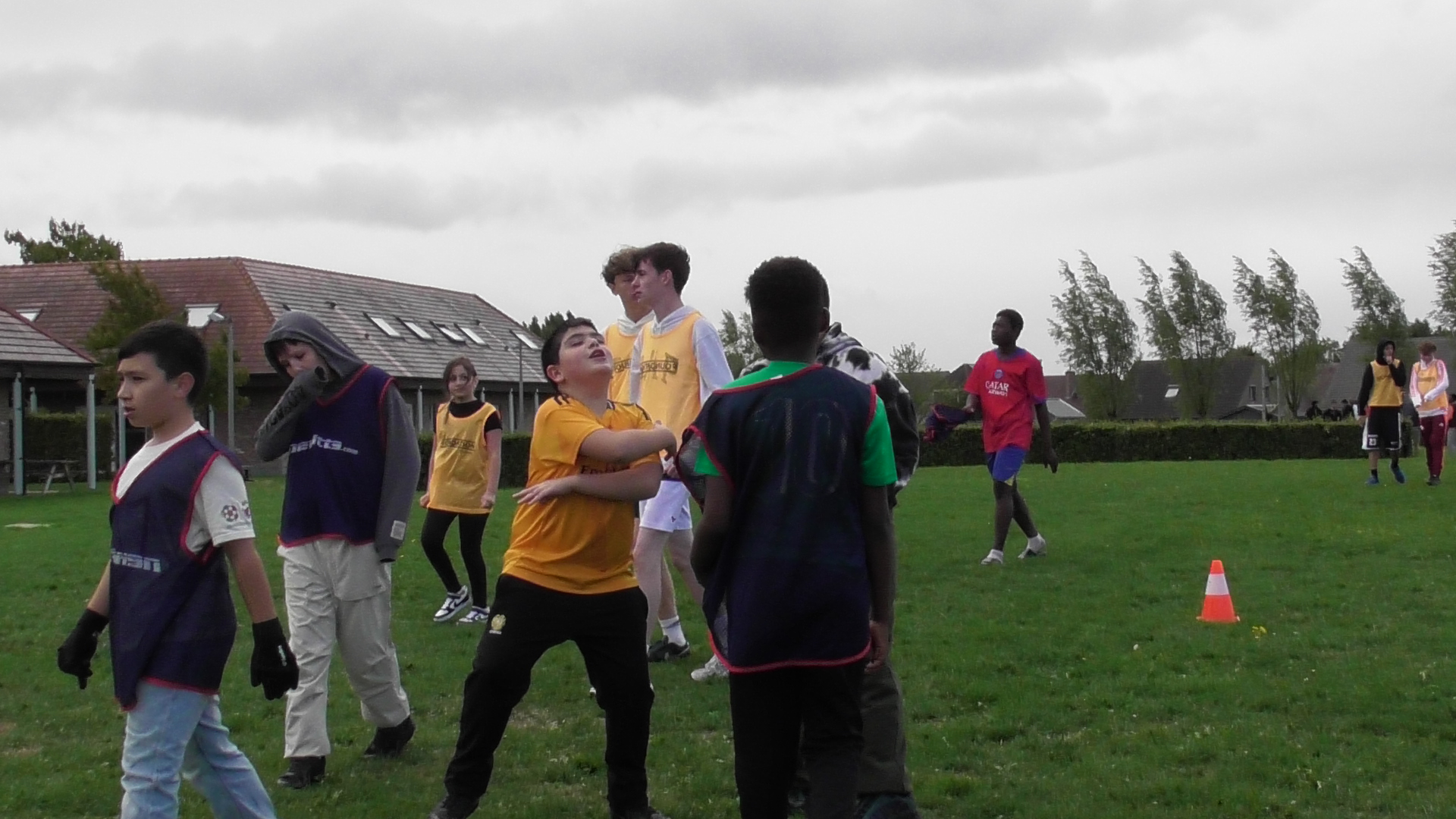
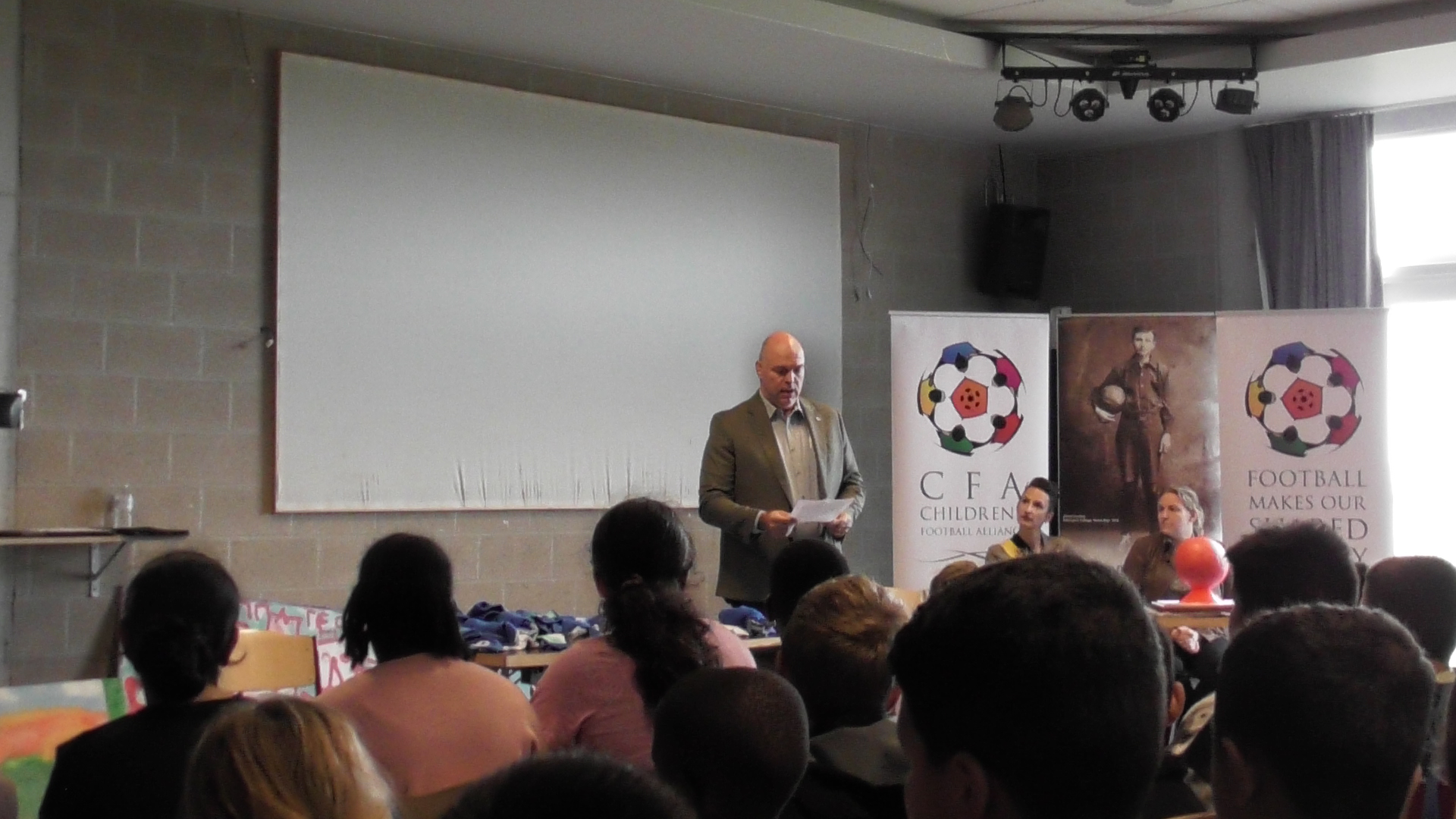
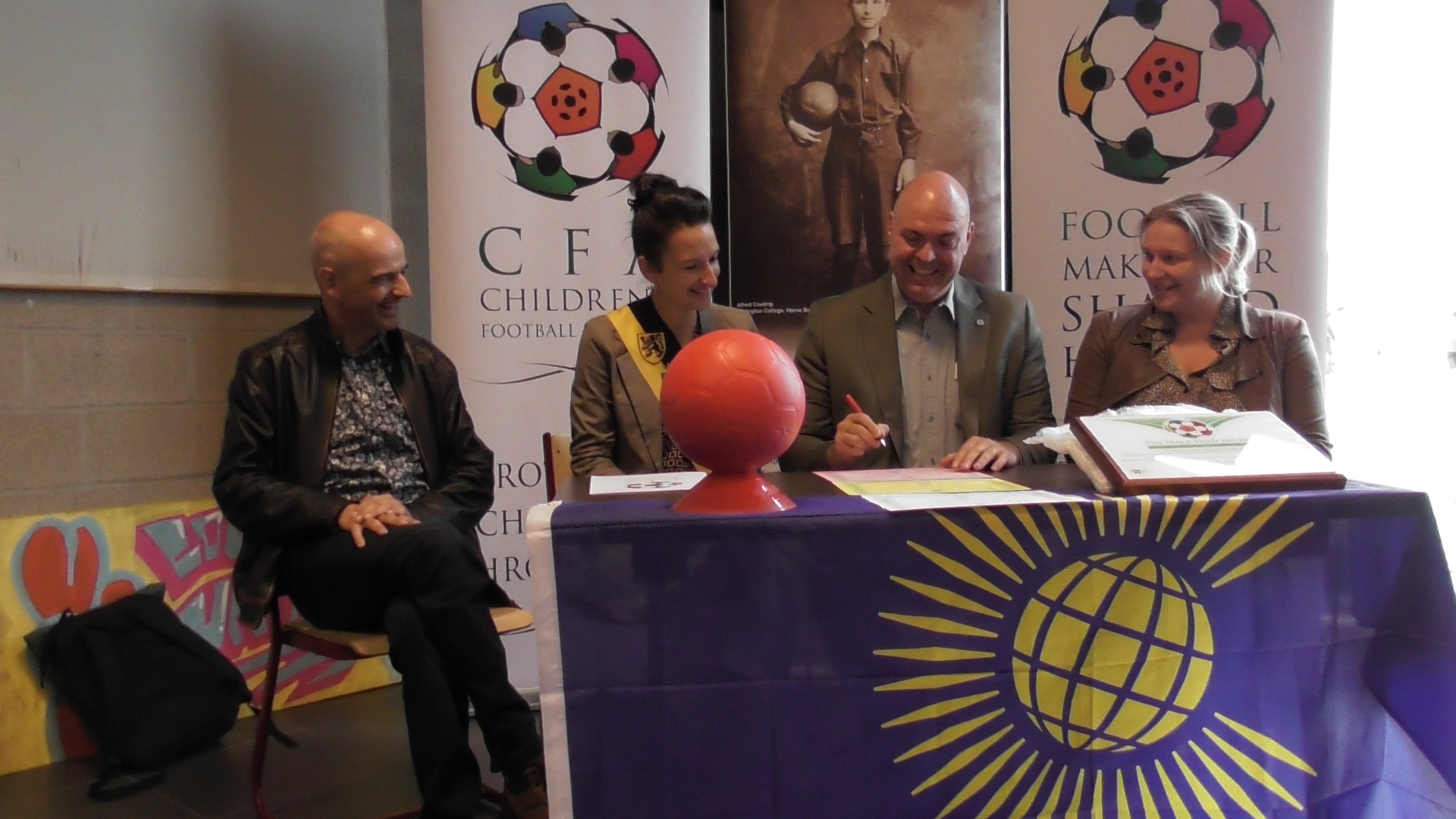
College Ostend, did you know that our school was the first Belgian school to be included in the worldwide network of Peace Field Projects that are committed to peace and reconciliation based on the memory of the First World War’s 1914 Christmas truces.
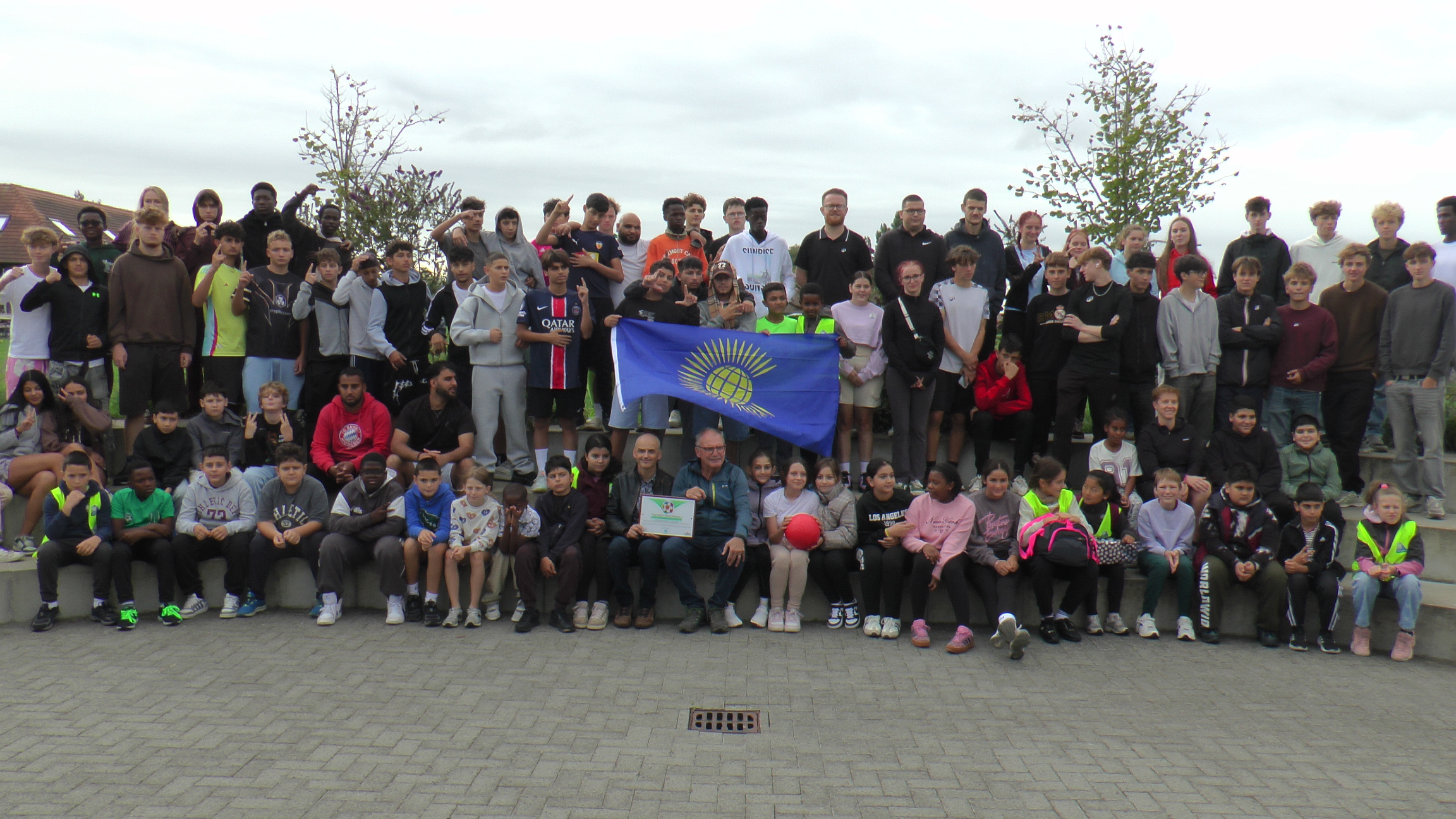

Thursday 17th September 2026.
Commonwealth Day was supported by

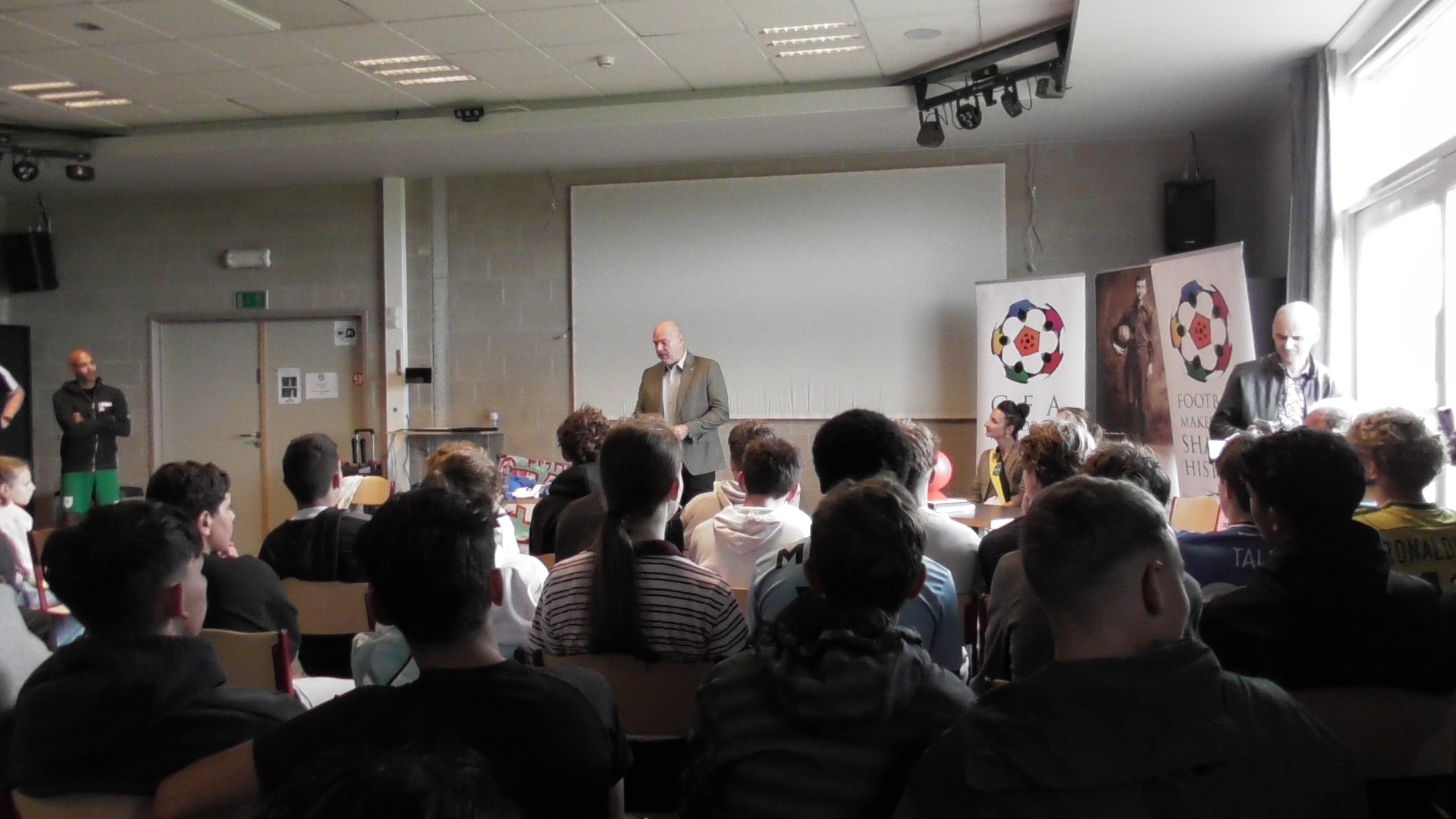
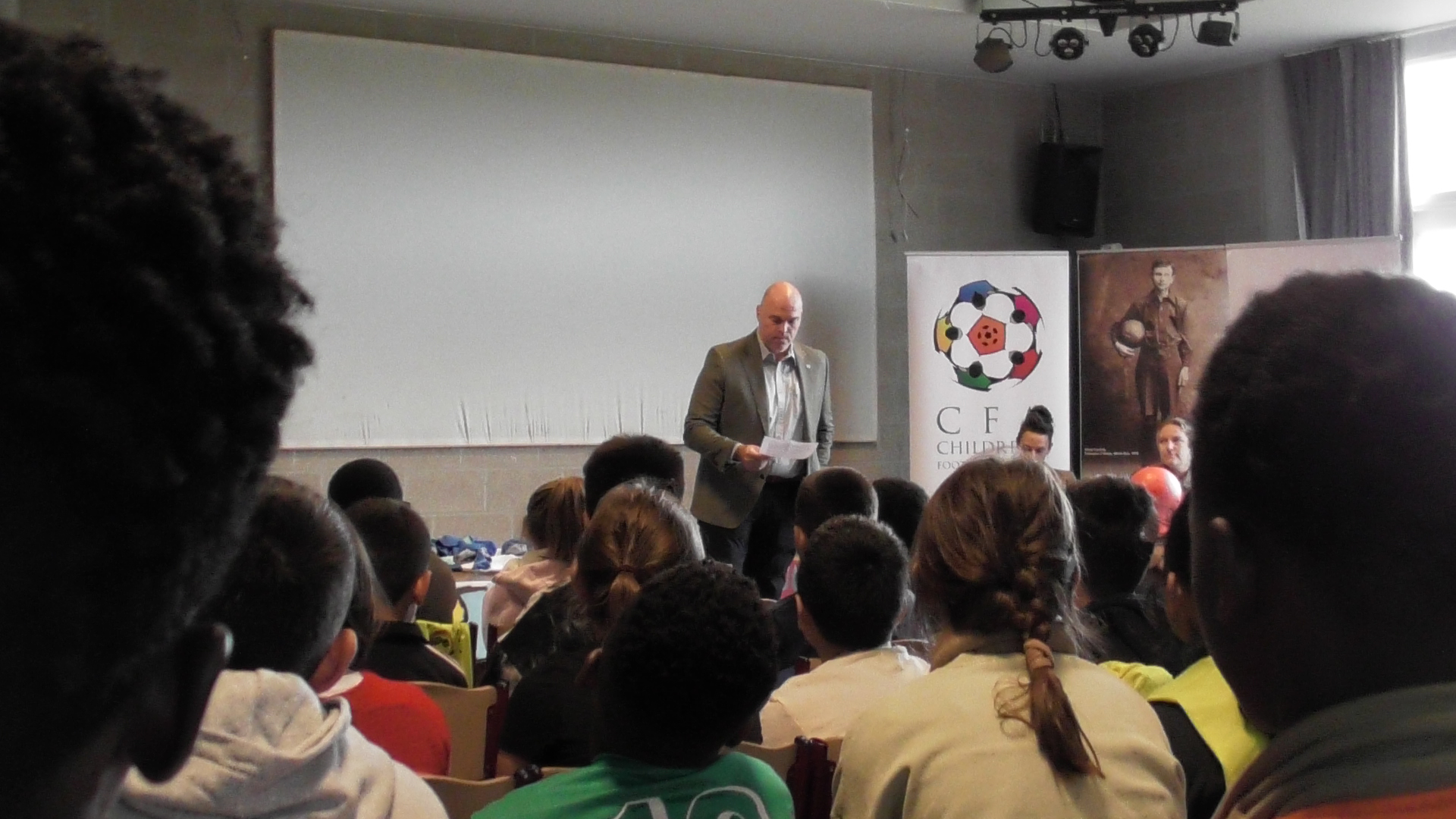
Dear pupils, colleagues and most of all: dear friends,
As we gather here today in Mesen for the Global Peace Games, we do so in a place where history is still tangibly present.
Over a hundred years ago now, soldiers faced off here, during the First World War. And yet, during Christmas 1914, something happened that seems almost unimaginable today: in various places along the front line, soldiers temporarily laid down their weapons. They emerged from their trenches, met in no man’s land, exchanged cigarettes and gifts, sang Christmas carols and, above all, played football together.
The Christmas Truces may not have marked the end of the war, but they did reveal something fundamental: behind the uniforms, behind the borders and behind the images of the enemy, there were people.
And perhaps that is precisely why we need to be here today.
Because when we look at the world today, we might ask ourselves: what on earth is going on? Wars, armed conflicts, terror, polarisation, hatred and ever-sharper divisions. Day after day, we are confronted with them.
But perhaps the question of what is happening isn’t even the most important one.
The far more important question is: why is this happening? Why are people prepared to hate one another, to dehumanise one another and ultimately to kill one another?
And perhaps even more importantly: what can we do to prevent this from happening again?
This also places a significant responsibility on the education system.
A school such as the College van Oostende must do more than simply impart knowledge. It must teach young people to understand how our world has come to be as it is. It must teach them to view the past, not as a collection of facts and dates, but as a mirror reflecting the present.
And that is why remembrance education is so important.
Those who forget history do not automatically run the risk of literally repeating it. But those who do not try to understand history do run the risk of failing once again to recognise the same mechanisms: I am thinking here of exclusion, propaganda, ‘us-versus-them’ thinking, dehumanisation and the ever-increasing normalisation of violence.
Schools therefore have a responsibility. Not to dictate to young people what they should think, but to teach them to think critically for themselves, to ask questions, to examine sources, to understand different perspectives and, above all, to continue to see the human being behind the historical narrative.
The Christmas Truces remind us that peace does not begin when politicians sign a treaty. Peace begins much earlier. In the way we view one another. In the way we deal with differences. In the choices we make every day.
That is also why events such as the Global Peace Games are so valuable. Because they not only enable young people to learn about peace, but also allow them to experience, discuss and shape peace.
May this special place Mesen therefore not only remind us of what happened.
May it, above all, challenge us to think about what we can do today.
Because remembering is not only about looking back. Remembering is about taking responsibility for the future.
Thank you.
Yannick Scheyving
Headteacher, College Oostende